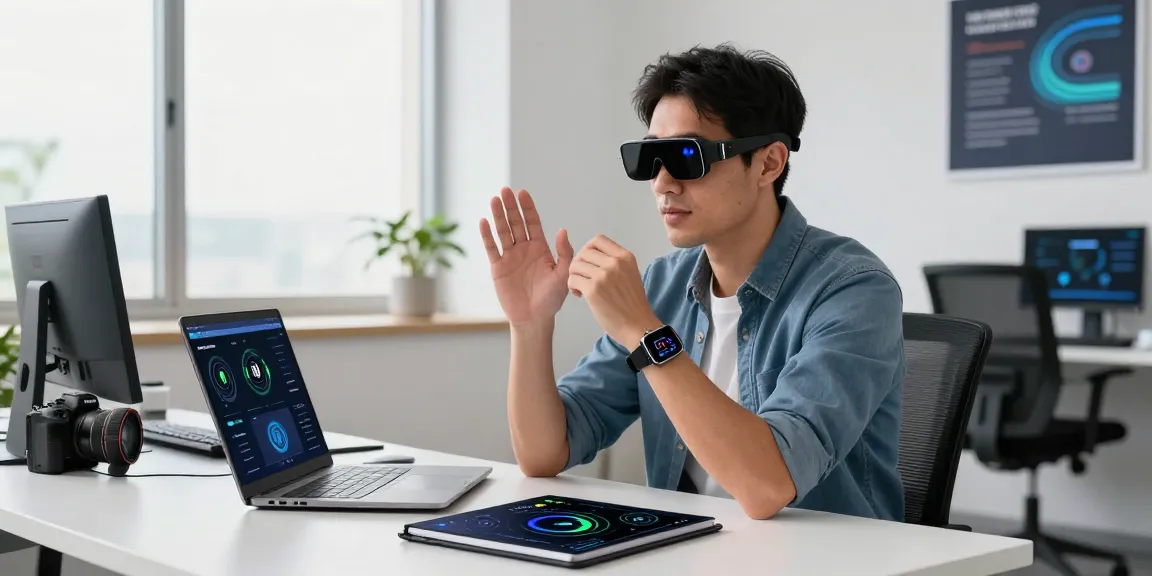
Understanding AI Wearables
As technology continues to evolve, a new breed of gadgets is emerging to support our daily lives: AI wearables. These innovative devices are not just a trend; they represent a significant shift in how personal technology interacts with our health and productivity. By leveraging artificial intelligence, these wearables provide enhanced features, making them indispensable tools for conscious consumers looking to optimize their lifestyle.
When exploring options, AI wearables encompass a broad range of devices that include smartwatches, fitness trackers, smart rings, and even smart clothing. Each of these devices harnesses the power of AI to improve various aspects of daily living, from monitoring health metrics to streamlining communication.
What are AI Wearables?
AI wearables are smart devices designed to be worn on the body that utilize artificial intelligence to perform tasks that enhance user experience and efficiency. These devices collect and analyze data, often in real-time, allowing users to gain insights into their health and productivity levels. Whether you’re checking your heart rate, tracking your sleep patterns, or receiving notifications, AI wearables act as personal assistants, nudging you towards more informed decisions.
Types of AI Wearable Devices
The market for AI wearables has exploded, with devices designed for myriad purposes. The most common categories include:
- Smartwatches: Equipped with health monitoring features, notifications, and apps, smartwatches are perhaps the most versatile AI wearable.
- Fitness Trackers: Focused on activity and health metrics, these devices help users meet their fitness goals through data analysis and coaching.
- Smart Rings: Smaller and more discreet, smart rings offer basic health tracking functionalities without the bulk of a smartwatch.
- Smart Clothing: Garments embedded with sensors to monitor various health indicators, such as muscle activity and heart rate.
How AI Enhances Wearable Functionality
AI is at the core of what makes these devices truly remarkable. Through machine learning algorithms, AI wearables can learn from user behaviors and provide personalized feedback. For instance, if a user consistently sleeps poorly, their device might suggest a new bedtime or changes in evening routines. This level of personalization is what sets AI wearables apart from traditional health trackers, making them more effective in fostering healthier habits.
Benefits of AI Wearables in Daily Life
Incorporating AI wearables into daily routines can lead to significant improvements in various aspects of life. Their capabilities extend beyond basic fitness monitoring, offering functionalities that can enhance overall well-being and productivity.
Improving Health Monitoring
Health is a primary concern for many, and AI wearables provide continuous monitoring capabilities. They can track vital signs including heart rate, blood pressure, and even stress levels, offering real-time updates. This immediate access to health data enables users to make proactive adjustments to their lifestyle, potentially preventing serious health issues before they develop.
Boosting Productivity and Focus
AI wearables also play a pivotal role in boosting productivity. Features such as calendar notifications, reminders, and even focus mode capabilities help users manage their time efficiently. For example, some devices can analyze how much time users spend on tasks and provide insights aimed at reducing distractions.
Enhancing Communication and Connectivity
Stay connected with the world around you; AI wearables facilitate seamless communication. From receiving calls and texts to controlling smart home devices, these wearables ensure that users can engage with their environments without being tethered to their phones. Their ability to integrate with a variety of apps and services means that users can customize their experience based on personal needs.
Popular AI Wearable Devices of 2026
The future of AI wearables is bright, with several devices gaining popularity and attention in 2026. Here are a few noteworthy examples:
Top Smartwatches and Their Features
In 2026, leading smartwatches incorporate advanced health metrics along with comprehensive app ecosystems. For example, models like the Apple Watch Series 10 and Samsung Galaxy Watch 7 not only offer fitness tracking but also include stress management, sleep quality assessments, and even ECG capabilities, streamlining health management into a single device.
Innovative AI Glasses for Everyday Use
Smart glasses are making a comeback with AI capabilities that enhance augmented reality experiences. Devices like the Google Glass Enterprise Edition 3 and new offerings from companies like Vuzix allow users to interact with their environment in unique ways, such as receiving navigation prompts or real-time translations while on the go.
Unique Devices Transforming Personal Health
Though still in nascent stages, wearables like Oura Ring and BioBeat’s smartphone-integrated sensors are leading the charge in personalized health tracking. These devices focus on specific health metrics and deliver actionable insights that promote wellness and disease prevention.
Challenges and Considerations
While AI wearables provide significant advantages, several challenges must be considered before making a purchase.
User Privacy and Data Security
Data privacy remains a significant concern in the realm of AI wearables. As these devices continuously collect personal health data, they pose risks of data breaches or misuse. Users must ensure that the manufacturers adhere to stringent security measures and data protection policies.
Battery Life and Device Limitations
Battery life is another common issue, particularly with feature-rich devices. Many wearables need to be charged frequently, which can be inconvenient. Manufacturers are working towards improving battery technology, but consumers should evaluate how often they are willing to recharge before purchasing.
Cost vs. Value of AI Wearables
AI wearables can vary drastically in price, with high-end models costing several hundred dollars. Prospective buyers should consider not only the initial investment but also the long-term value these devices provide in terms of health improvements and productivity gains. Understanding personal priorities will help determine if the cost is justified.
Future Trends in AI Wearables
The world of AI wearables is ever-changing, with exciting trends on the horizon that could revolutionize the market.
Emerging Technologies and Innovations
As technology advances, AI wearables are set to become even more sophisticated. Features like predictive health tracking, better AI algorithms for more personalized recommendations, and integration with broader smart home systems are all on the radar.
Predictions for AI Wearable Market Growth
The market for AI wearables is predicted to grow significantly, with analysts estimating a compound annual growth rate (CAGR) of over 20% through the next five years. This growth will be fueled by increased consumer awareness about health and the convenience of wearable technology.
Real-world Applications in Healthcare and Beyond
Beyond personal fitness, AI wearables are making waves in professional healthcare. Medical-grade wearables that monitor chronic conditions, such as diabetes, are emerging, allowing for continuous health management that can alert both patients and healthcare providers if immediate action is required.
What are the types of wearable AI?
Wearable AI encompasses various types, including smartwatches, fitness bands, smart glasses, and even smart textiles. Each type serves different needs, making them adaptable for various user preferences.
Are AI wearables worth it?
For many users, the benefits of AI wearables—ranging from health monitoring to productivity enhancements—far outweigh the costs. However, evaluating individual needs and preferences is essential before making a purchase.
How do AI wearables work?
AI wearables function by gathering data from various sensors and analyzing this information using machine learning algorithms. This allows them to provide insights tailored specifically to the user’s habits and health metrics.
What does the future hold for AI wearables?
The future of AI wearables will likely see even greater integration with other personal technology, enhanced predictive features, and improved user experience. As AI continues to evolve, so too will the capabilities of wearables.
How can AI wearables improve fitness tracking?
AI wearables improve fitness tracking by providing real-time feedback, analyzing workout data, and offering personalized training recommendations. This data can help users optimize their exercise routines based on their progress over time.